Local Seafood Stars in Keys Cuisine

Carol Shaughnessy | January 22, 2009

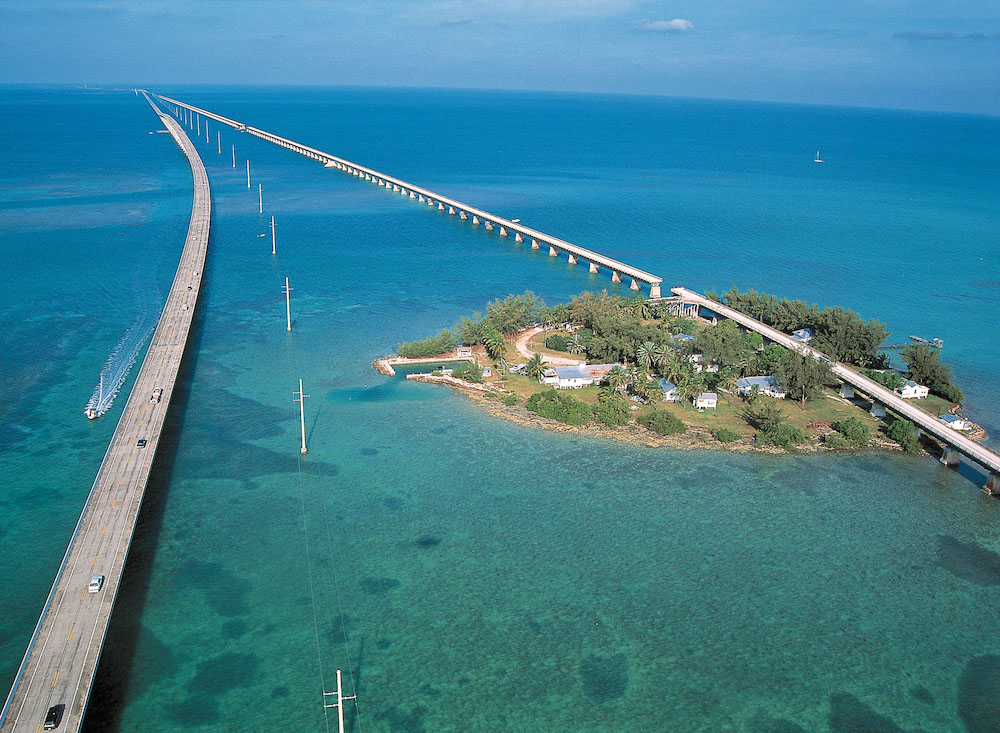
Stretching more than 100 miles into the open ocean, the Florida Keys can boast early settlers ranging from Bahamian fishermen to Cuban cigar makers and New England merchants. In such a rich melting pot, naturally the indigenous cuisine came to blend diverse and delicious influences — centering on the abundant fish and seafood harvested from local waters.

Most people don’t realize that commercial fishing is the second-largest industry in the Keys. What does that mean to diners? Simple — the fresh fish that graces your table at night was probably unloaded at the docks that morning. It’s no wonder fish and seafood headline nearly every restaurant menu.

Among the favorites is Key West pink shrimp, a delicacy generally considered sweeter than other types of shrimp. Whether sautéed in scampi, battered and fried, piled atop salad or pasta, or simply steamed and served with cocktail or mustard sauce, Key West pinks rank among the most popular of the Keys’ “natural resources.”

The mollusk conch (pronounced “konk”) is served in mouthwatering dishes like lime-dressed salad, chewy deep-fried fritters and spicy chowder. Please note that conch chowder can either be tomato-based or white, but don’t expect to find any consistency of recipes from one restaurant to another — Keys eateries pride themselves on creating unique interpretations of classic dishes.

You’ll also discover that conch represents far more than food. Keys residents admired the mollusk’s tough, hardy nature so much that they adopted its name for themselves. Today, conch is no longer fished in the Keys, but the word “Conch” refers to someone born in the island chain, which is affectionately known as the Conch Republic.

Stone crabs, renowned for their sweet and succulent meat, also are a popular delicacy. Because nearly all of the crab’s meat is contained in its claws, these are the only portions of the crab that are harvested. Once the claws are removed, the crab is returned to the sea where, over the course of up to two years, the claws regenerate. For this reason, stone crabs are considered a renewable resource — and the Florida Keys are responsible for about 40 percent of the state’s overall harvest.

Stone crab claws are most commonly served warm with drawn butter or chilled with mustard sauce. The meat of the claws also can be used in crab cakes, fritters and other tempting dishes. Florida’s stone crab season runs from Oct. 15 to May 15.

Florida Keys fishermen prepare and serve their harvest at the annual Original Marathon Seafood Festival.

Florida Keys fishermen prepare and serve their harvest, like these spiny Florida lobsters, at the annual Original Marathon Seafood Festival.

Unlike stone crabs, lobsters found in the Keys are clawless. Known as spiny lobsters, they offer remarkably tender meat. Local restaurants often serve them steamed or boiled with drawn butter (heavenly!) — or their meat might be made into salad or served with exotic sauces. Lobster season runs from Aug. 6 to March 31.

Yellowtail snapper, hog snapper, mutton snapper, grouper and dolphin or mahi-mahi are just a few of the Keys’ scale fish preferred by chefs. At restaurants throughout the island chain, you can find sautéed yellowtail or snapper with a variety of sauces and side dishes, along with fried grouper or mahi-mahi sandwiches, broiled or blackened fish entrees and much more.

In addition to offerings from the sea, Keys cuisine reflects a multitude of cultural influences — particularly Cuban in Key West. Migrating across the water by the thousands in the late 1800s, Cuban aristocrats and cigar makers brought the flavors of their homeland with them.

Ropa vieja, a name that literally means “old clothes,” is actually shredded beef in a tasty sauce. Other favorite dishes are picadillo and roast pork or pork chunks. Cuban entrees are most often served with traditional black beans and yellow rice, sweet plantains and Cuban bread (warning: this is so good it can be addictive).

In fact, many Keys residents can’t start the day without a breakfast of toasted Cuban bread and Cuban coffee, which packs a ferocious jolt.

When it comes to desserts, it’s almost impossible to spend time in the Keys without sampling Key lime pie. Just as New Orleans is famed for its gumbo and Chicago for its pizza, the island chain is known for its signature dessert.

Key lime pie is the perfect finish to any Keys meal. Photo by Bob Krist, Florida Keys News Bureau

Key lime pie is the perfect finish to any Keys meal. Photo by Bob Krist, Florida Keys News Bureau

There are no commercial Key lime groves in the Florida Keys today, but Key Largo boasted a large Key lime industry until about the mid 1930s. Restaurants throughout the Florida Keys and Key West continue to use Key limes and their juice to enhance seafood dishes and sauces, as well as in pies.

According to the owner of Key West’s Curry Mansion Inn, a woman named Aunt Sally — the cook for estate owner William Curry — made the first Key lime pie. Key West historian Tom Hambright, on the other hand, suggests Aunt Sally probably perfected a delicacy created by area fishermen.

Today, each restaurant places its individual hallmark on this special dessert, but its primary ingredients are condensed milk and tiny yellow Key limes. (The true Key lime pie you’ll find in the Keys is not green, by the way, but is actually butter-yellow.) Often nestled in a graham cracker crust and smothered in whipped cream, Key lime pie is a sinfully indulgent finale for any island meal.

As rich as Key lime pie is, however, it can’t compare to the richness of experience that awaits you in the Florida Keys. Whether feasting at a water’s-edge seafood shack or a gourmet haven with linen tablecloths, you’ll find a warm welcome, an easygoing atmosphere and unique and memorable cuisine.

Leave a Comment

Comments are moderated. We welcome comments about the Keys themselves, but cannot publish posts about private Keys businesses or properties.

You must be logged in to post a comment.

You must be logged in to post a comment.

google

couk