
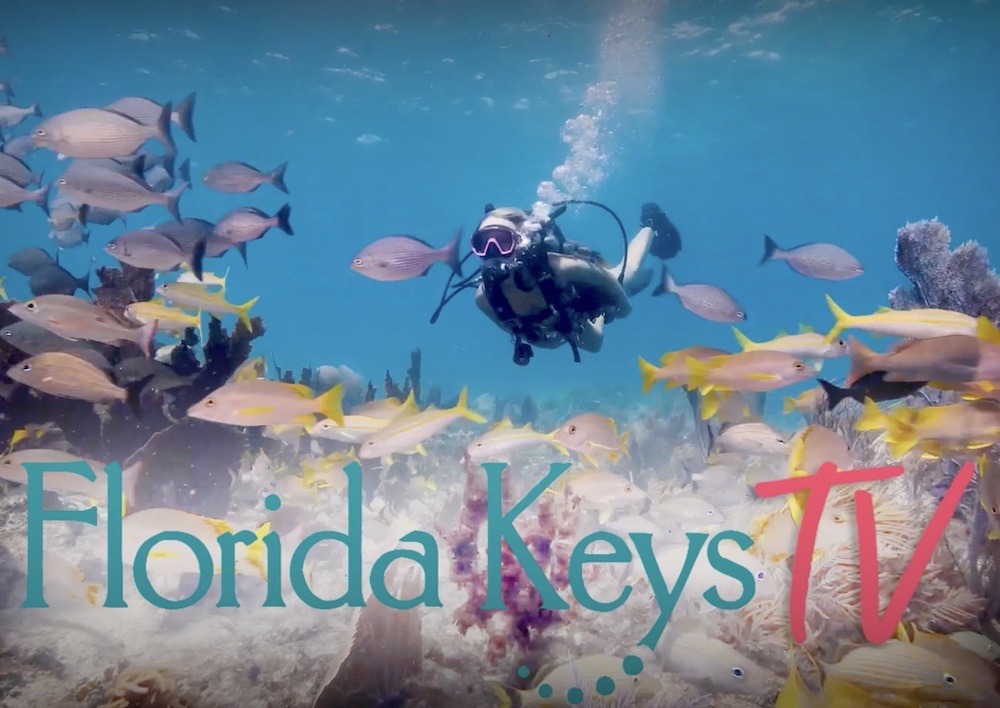
Dive into the Keys’ Underwater World with FloridaKeysTV
For those who can’t travel to the Florida Keys this spring for the amazing diving, the island chain’s enthralling subsea world can be explored through the free streaming channel and app, FloridaKeysTV. It features hours of quality underwater programming — including the Keys-focused “Destination Dive” series — to inspire ideas for an upcoming visit.
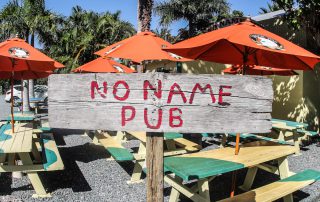
No Name — But Ramshackle Charm and Great Pizza
It’s called the No Name Pub, and it’s billed as “a nice place if you can find it.” But the out-of-the-way location doesn’t keep people from discovering the quirky eatery — or becoming captivated by its historic “Old Keys” charm, world-class pizza and ramshackle décor that includes interior walls papered with dollar bills.
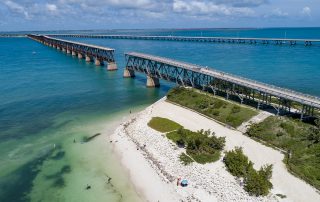
Five Ways to Honor Earth Day in the Keys
The Florida Keys are putting Earth Day in the spotlight with activities on and around April 22, the globally commemorated “birthday” of the modern environmental movement. Of course, every day is a reason to celebrate the beauty of the planet in the Keys, home to spectacular natural wonders on both land and sea.
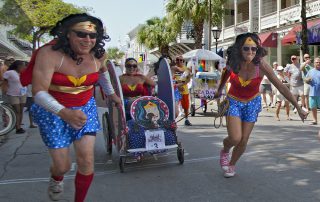
Beware of Strange Bedfellows in Strange Key West Race
In most places, beds are reserved for sleeping or amorous activities. But not in the Florida Keys’ colorful Conch Republic — where, on a Saturday afternoon in late April each year, beds on wheels are propelled by teams of strange bedfellows along Key West’s Duval Street in the Conch Republic Blue Ribbon Bed Race.
Steward of the Keys: Frank Betz Spins Fish Tales
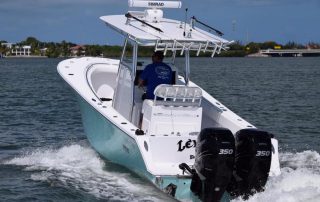
Captain Frank Betz began fishing the Florida Straits in 2005 while working for the Boy Scouts of America at the Sea Base Camp on Summerland Key. Today he shares his passion for fishing the Florida Keys’ blue waters as a guide, offering Folklure Charters fishing trips from Summerland, Big Pine and Key West.
Florida Keys Fun Facts … and Arnold’s Exploding Bridge
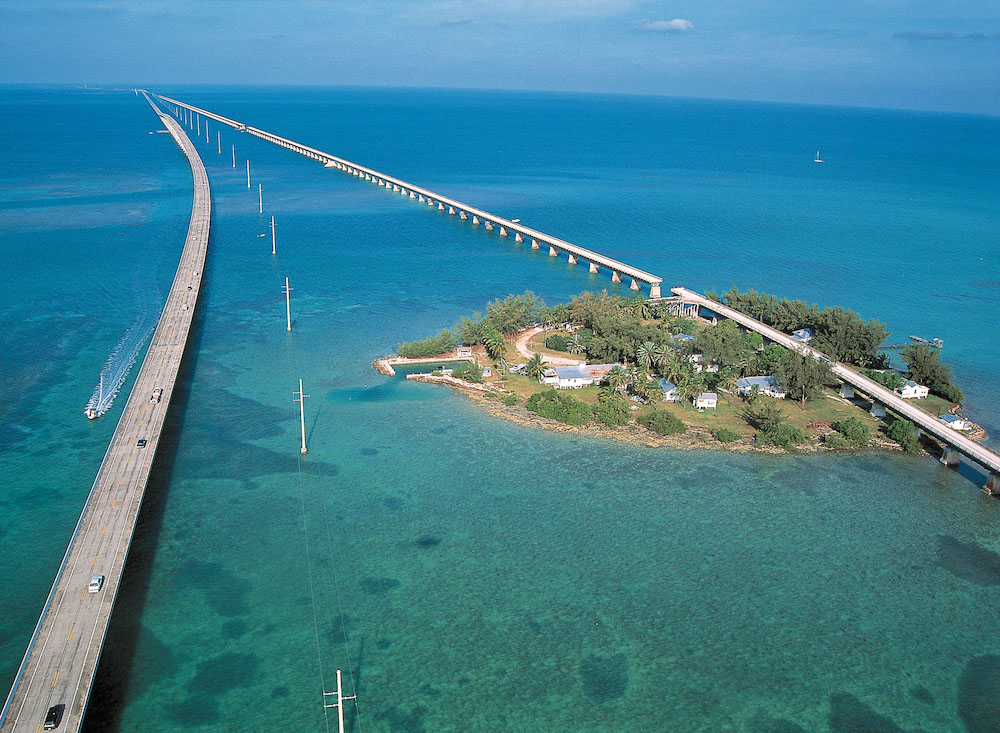
Florida Keys fun fact: Years ago, during an action-packed confrontation between Arnold Schwarzenegger and a pack of dastardly villains, missile strikes blew up the Keys’ Old Seven Mile Bridge. Okay, that isn’t STRICTLY factual, but it’s based on fact — one of many offbeat facts that give the island chain an engagingly colorful vibe.
Pucker Pros Take Center Stage in Key West’s ‘Conch Honk’
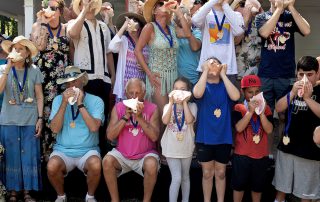
Maybe chart-topping rock stars aren’t abandoning their guitars to play the conch shell. But that’s okay — because the “pucker pros” playing pink-lined shells were treated like rock stars at Key West’s recent Conch Shell Blowing Contest. The event saluted the Florida Keys’ seafaring heritage and centuries-old use of the “conch horn” for signaling.